Доставка пиццы in 2024: what's changed and what works
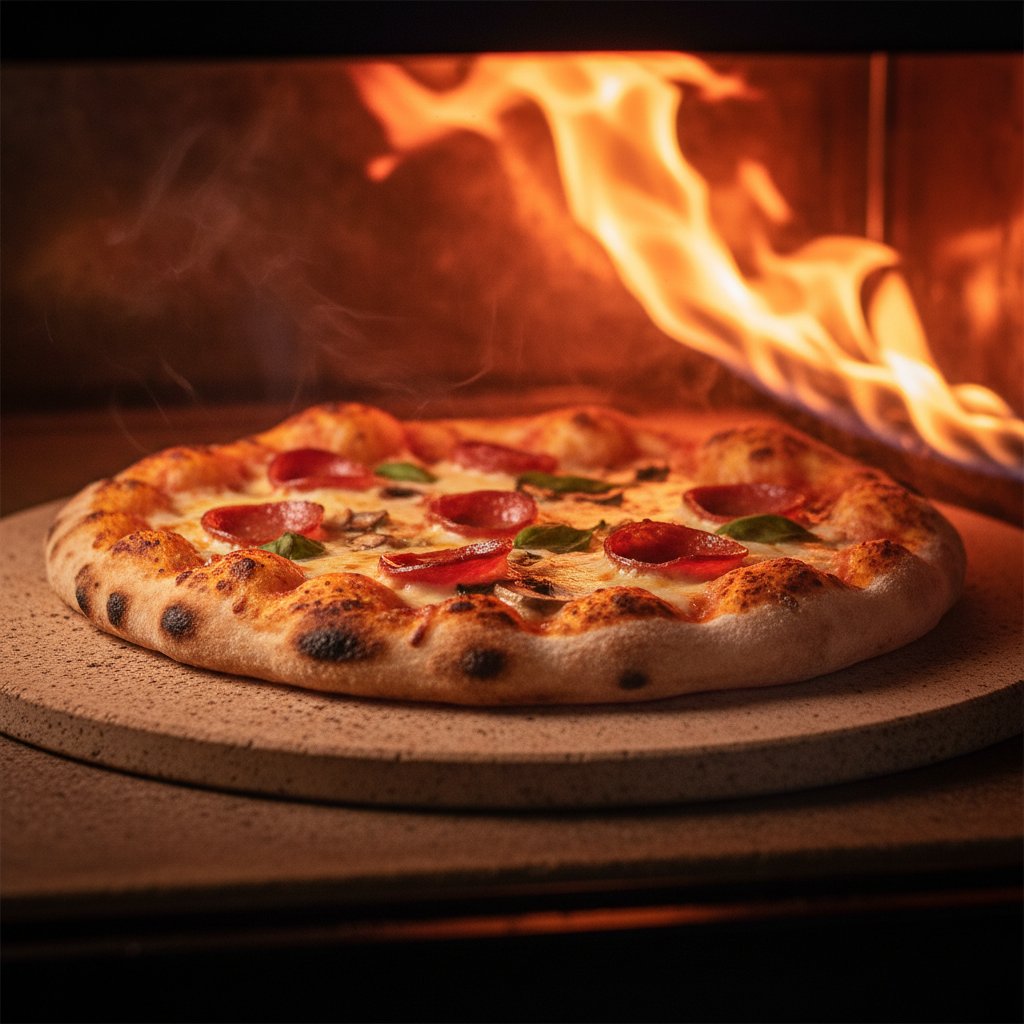
The pizza delivery game has transformed dramatically over the past year. Ghost kitchens are multiplying faster than mozzarella on a Margherita, apps are getting smarter than your average pizzaiolo, and customers expect their orders to arrive faster than you can say "extra pepperoni." Let's break down what actually matters in 2024.
1. Ghost Kitchens Have Become the New Normal
Forget the traditional pizzeria with red-checkered tablecloths. Ghost kitchens—delivery-only operations without storefronts—now account for roughly 35% of all pizza delivery businesses in major cities. These lean operations slash overhead costs by 40-60% compared to traditional restaurants, which means they can afford to experiment with pricing and promotions.
The smart operators are running multiple brands from a single kitchen. One space might pump out New York-style slices under one name, Detroit deep-dish under another, and vegan options under a third. It's the same oven, same staff, but three different customer bases. The model works because each brand can target specific neighborhoods through geo-focused ads without cannibalizing each other.
2. 15-Minute Delivery Isn't a Gimmick Anymore
Ultra-fast delivery has moved from marketing stunt to operational standard. Companies using micro-fulfillment centers—small prep stations scattered throughout high-density areas—are consistently hitting 12-18 minute delivery windows. These aren't full pizzerias; they're 200-square-foot spaces with a couple of ovens and pre-prepped ingredients.
The catch? Limited menus. You're getting maybe 8-10 pizza options max, but they arrive scorching hot. Customers under 30 overwhelmingly prefer this trade-off, with 68% saying they'd choose speed over variety. The economics work too—each micro-location serves a 1.5-mile radius, keeping driver routes tight and labor costs down.
3. AI Isn't Just Hype—It's Taking Your Order
Voice AI has finally cracked the pizza ordering code. After years of clunky chatbots that couldn't handle "light cheese, extra sauce," the current generation actually gets it right 94% of the time. Domino's reported that 30% of their phone orders now go through AI without human intervention, and customers don't even realize they're talking to a machine.
The real advantage shows up during Friday night rushes. While traditional call centers get overwhelmed, AI handles unlimited simultaneous calls. One regional chain in Texas cut their average hold time from 4.5 minutes to zero by implementing voice AI, which directly translated to 23% more orders during peak hours. Turns out people hang up fast when they're hungry.
4. Subscription Models Actually Stuck Around
Remember when everyone laughed at pizza subscriptions? They're not laughing anymore. Services charging $15-25 monthly for unlimited delivery fees and 10-15% off all orders have retention rates above 70% after six months. The math is simple: order twice a month and you break even; order weekly and you're saving $30-40 monthly.
The stickiness comes from psychology, not just savings. Subscribers order 2.3 times more frequently than regular customers because they've already "paid" for delivery. They're also less price-sensitive on the actual food, often adding appetizers or desserts they'd normally skip. One Chicago chain reported their average subscriber ticket is $42 versus $28 for non-subscribers.
5. Contactless Delivery Became Permanent
What started as a pandemic necessity is now the default. Roughly 80% of pizza deliveries happen without any face-to-face interaction—drivers leave orders at doors, snap a photo, and bounce. Customers love it (no awkward small talk, no scrambling for tip money), and drivers move faster between stops.
The infrastructure evolved too. Smart lock integrations let drivers access apartment lobbies without buzzing, GPS geofencing triggers automatic "pizza's here" notifications, and thermal bags with built-in tracking ensure food stays hot. The average delivery time dropped by 3-4 minutes simply because drivers aren't waiting for customers to answer doors.
6. Dynamic Pricing Finally Hit Pizza
Airlines and Uber have done it for years—now pizza's getting the surge pricing treatment. Prices fluctuate based on demand, weather, driver availability, and even local events. A large pepperoni might cost $18 on Tuesday at 3 PM but $23 on Saturday at 7 PM during a playoff game.
Surprisingly, customers aren't revolting. Apps that show transparent pricing with explanations ("High demand in your area") see minimal pushback. The trick is offering "off-peak" discounts rather than framing it as peak penalties. Order at 4 PM instead of 6 PM and save $5? Most people get it. Some chains report that 40% of customers actively shift their order timing to grab lower prices.
The pizza delivery landscape won't stop evolving, but these six shifts represent fundamental changes, not temporary trends. Speed matters more than ever, technology handles the grunt work, and customers reward businesses that respect their time and money. The pizzerias thriving right now aren't the ones with the fanciest ovens—they're the ones who figured out logistics, pricing, and convenience first.