Why most Доставка пиццы projects fail (and how yours won't)
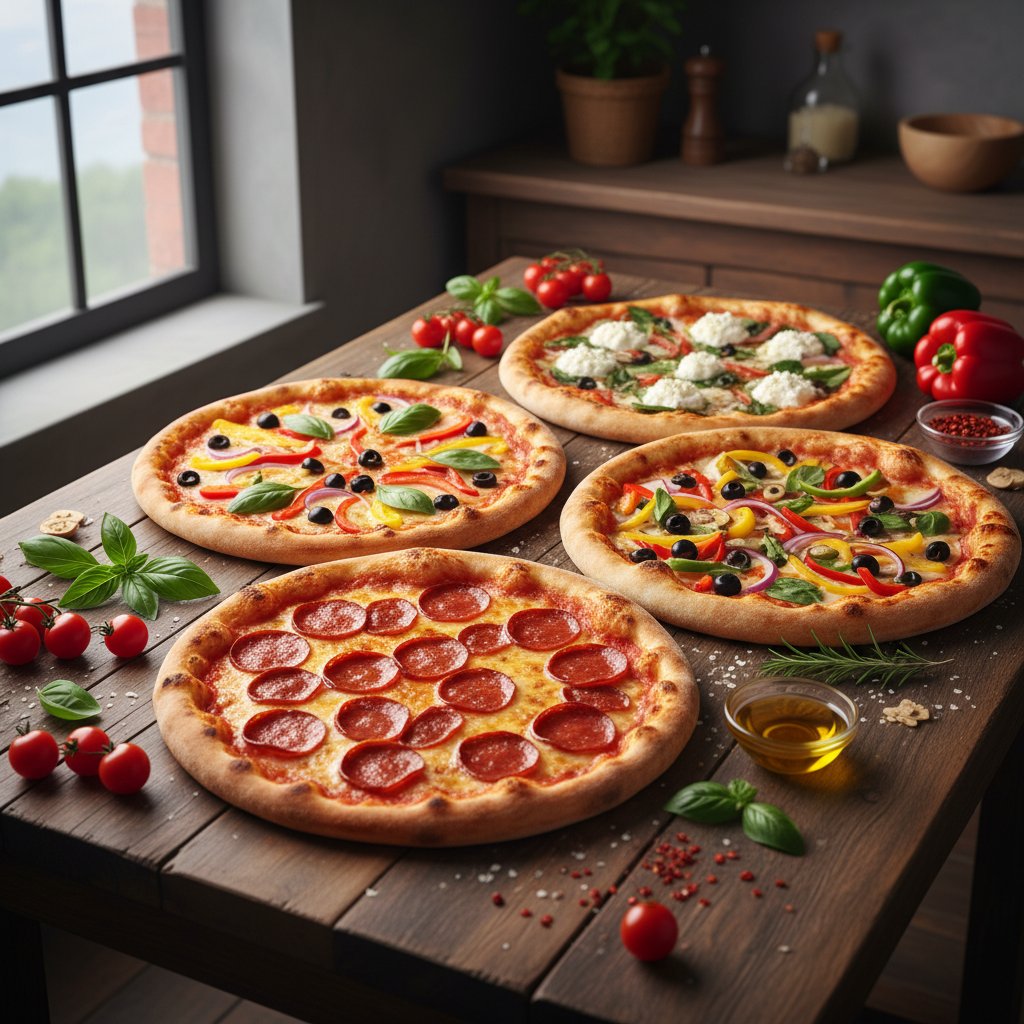
The $50K Pizza Delivery Dream That Crashed in 90 Days
Marco's Pizzeria had lines out the door every Friday night. Their margherita was legendary in the neighborhood. So when Marco decided to launch delivery, he figured it'd be printing money within weeks.
Three months later, he'd burned through $50,000, alienated his best customers with two-hour wait times, and was seriously considering shutting down the entire operation.
Sound familiar? About 68% of pizza delivery ventures either fail or scale back dramatically within their first year. But here's the thing—it's rarely about the pizza itself.
Why Pizza Delivery Operations Collapse
The math seems simple: hire drivers, take orders, deliver hot food. Except it's not.
Most restaurant owners treat delivery as an extension of their dining room. It's not. It's a completely different beast with its own economics, logistics, and failure points.
The Real Culprits
Driver costs spiral out of control faster than you can say "extra cheese." One pizzeria owner in Chicago told me he was paying drivers $15/hour plus vehicle reimbursement, only to discover they were completing just 2.3 deliveries per hour during off-peak times. His labor cost per delivery? Nearly $8 before the pizza even left the oven.
Order accuracy tanks when you're juggling phone calls, walk-ins, and third-party apps simultaneously. A single wrong order doesn't just cost you the remake—it costs you a customer who'll blast you on Google Reviews and never return. Studies show that 89% of customers won't give you a second chance after a delivery screw-up.
The technology trap catches almost everyone. You either cobble together free tools that don't talk to each other, or you drop $15,000 on an integrated system before you've delivered your hundredth pie. Both paths lead to chaos.
Warning Signs You're Heading for Disaster
Your drivers are sitting idle for 30+ minutes between runs. This means your delivery zone is too small or your order volume doesn't justify dedicated drivers yet.
Food is arriving cold more than 15% of the time. Temperature complaints are the canary in the coal mine—they signal routing problems, prep timing issues, or inadequate insulation.
You can't tell me your actual cost per delivery within 30 seconds. If you don't know this number down to the dollar, you're flying blind. Most successful operations target $4.50-$6.50 all-in.
The System That Actually Works
Start Stupidly Small
Forget blanketing a five-mile radius. Pick eight blocks. Seriously. One operator in Brooklyn started with a six-block delivery zone and crushed it with 15-minute delivery times. He expanded one block per month based on order density data. Twelve months in, he was covering 32 blocks profitably.
Your goal isn't coverage—it's proving the model works before you scale.
Build Your Tech Stack for Under $200/Month
You need three things: online ordering, route optimization, and basic analytics. Start with a simple WordPress ordering plugin ($49/month), pair it with a delivery routing app like Circuit or Road Warrior ($20-40/month), and track everything in a Google Sheet.
Fancy can come later. Functional comes first.
Nail Your Delivery Economics
Calculate your break-even order value. If your average all-in delivery cost is $5.80, and you charge customers $3.99 for delivery, you need to make $1.81 in margin on the food itself just to break even. This is why $12 minimum orders exist.
Run the numbers weekly, not quarterly. Your delivery economics will shift as you optimize routes and driver efficiency improves.
The Two-Driver Threshold
Don't hire your first dedicated driver until you're consistently doing 35+ delivery orders per day. Before that, use your existing staff on rotation or test with part-timers during peak hours only (Friday-Sunday, 5-9pm).
One pizzeria in Austin ran delivery with just kitchen staff for four months, limiting orders to 15 per night. They learned the operation inside-out before committing to full-time drivers.
Keeping It Profitable Long-Term
Track your cost per delivery religiously. Set up a simple dashboard that shows labor cost, vehicle costs, packaging, and platform fees per delivery. Review it every Monday morning.
Adjust your delivery zone based on actual data, not guesses. If you're getting two orders per week from the north end of your zone, cut it loose. Tighter zones mean faster deliveries, happier customers, and better driver efficiency.
Build in a pressure valve for busy nights. When orders spike beyond your capacity, increase delivery time estimates or temporarily pause online ordering. A 45-minute honest estimate beats a 25-minute lie every single time.
Your delivery operation won't fail because your pizza isn't good enough. It'll fail because you treated it like a side hustle instead of the separate business it actually is. Start small, measure everything, and expand only when the numbers scream at you to grow.
Marco? He shut down for two weeks, relaunched with a 12-block zone and one part-time driver. Six months later, he's doing 60 deliveries a day and actually making money on each one.